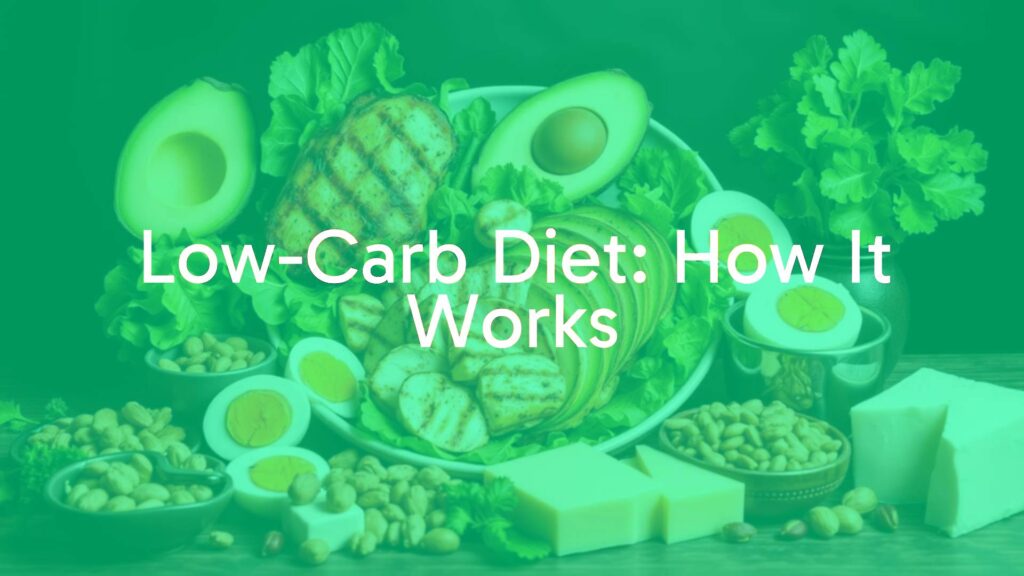
A low-carb diet means eating less carbohydrate-rich foods. This way of eating changes how the body gets its energy-it goes from using glucose (from carbohydrates) to using fat, including the fat stored in your body. When you avoid foods like bread, pasta, potatoes, and most fruits, and eat more protein and fat, your body starts relying on fat for fuel. This switch is key to how low-carb diets help with weight loss and better blood sugar control.
This approach is simple in idea, but it leads to several changes in your body’s metabolism, hormone balance, and overall wellness. It’s about teaching your body to use a new kind of energy, impacting much more than just the number on the scale.

What Is a Low Carb Diet?
Definition and Main Ideas
A low-carb diet means eating fewer foods that are high in carbohydrates. Carbs are found in things like bread, rice, potatoes, sugary snacks, and fruits. On a low-carb diet, you eat mainly foods with more protein and fat. That usually means eating meat, fish, eggs, and non-starchy vegetables, and saying “no” to foods like bread and cake.
There isn’t just one way to do a low-carb diet. Different plans suggest different carb amounts. Some “very low-carb” diets suggest under 10% of your daily calories from carbs, or between 20 and 50 grams of carbs per day. A “regular” low-carb diet might go up to 26% of your calories from carbs, but still keeps carbs under 130 grams a day. For comparison, official guidelines for adults normally recommend getting 45% to 65% of your calories from carbs.
But the main goal is always the same: eat fewer carbs so your body uses fat for energy. People have used this method for losing weight for more than 150 years, and it keeps coming back into style because it changes how your body uses food for energy.
Common Carb Amounts on a Low-Carb Diet
| Type | Carb Limit (per day) | Examples |
|---|---|---|
| Very Low-Carb | 20-50 grams | Almost none-mostly protein, fat, and non-starchy veggies |
| Low-Carb | Less than 130 grams | Smaller servings of fruits, veggies, and some dairy |
| Standard Diet | 225-325 grams | Bread, pasta, rice, potatoes as regular staples |
A slice of bread or a medium apple has 15-20 grams of carbs. A large potato or a liter of orange juice can have 90 grams-enough to use up a full day’s allowance on a strict low-carb plan. That’s why it’s important to pick foods carefully. It’s not a “no-carb” diet-some carbs are needed for fiber, vitamins, and minerals-but you want to choose foods that fit the plan.

How Does a Low Carb Diet Work?
Why Cutting Carbs Changes Things
When you eat carbs, your body turns them into glucose (sugar), which it uses for quick energy. But if you cut carbs, your body soon runs out of stored glucose. Then, it is forced to use fat for energy instead. This is what helps people lose weight on a low-carb diet.
There’s also a theory called the “carbohydrate-insulin model.” It says eating fewer carbs means your body makes less insulin. With less insulin, your body can burn fat more easily and might even boost heart health. On very low-carb diets, your liver begins turning fat into chemicals called ketones, which your brain and other organs can use for energy. This “ketosis” state is important in diets like the ketogenic diet.
What Happens to Insulin and Blood Sugar?
Normally, when you eat carbs, your blood sugar goes up. Your pancreas then makes insulin, a hormone that allows sugar to get into your cells for energy. Extra sugar is stored for later-first as glycogen (in the liver and muscles), then as body fat if there is too much left over.
On a low-carb diet, less sugar enters your blood, so your pancreas makes less insulin. Lower insulin means your body is less likely to store fat and can burn body fat more easily. This is particularly helpful for people with type 2 diabetes, where the body is resistant to insulin and blood sugar is too high. Lowering carb intake can help manage blood sugar and, in some cases, even help reverse diabetes symptoms.
How the Body Switches to Burning Fat
The main change with a low-carb diet is using fat instead of glucose. When you cut carbs, your body uses up stored glucose, known as glycogen. Once that’s gone, it turns to fat for energy.
The liver breaks down fat and turns it into ketones, which travel in the blood and power organs-including your brain. This process is called ketosis. By limiting carbs, you train your body to burn more body fat, which helps you lose weight. Even between meals or when you’re sleeping, your body keeps burning fat for fuel.

Changes in Metabolism and Hunger
A low-carb diet also affects how your body burns calories and how hungry you feel. Some studies say people on low-carb diets use up more calories per day than those on higher-carb diets-possibly 200 to 300 extra calories, though not all experts agree.
One of the biggest benefits is that low-carb diets usually include more protein and fat. Both help you feel full for longer periods. So, you may end up eating less overall, which makes losing weight easier-no calorie counting necessary. Also, when your body makes ketones, some people notice they rarely feel hungry and may only need one or two meals a day. Less hunger is a main reason many people lose weight on low-carb diets without trying very hard.
What Are the Benefits of a Low Carb Diet?
Weight Loss and Reducing Body Fat
The most well-known benefit of a low-carb diet is weight loss. Studies show that people tend to lose weight faster and more easily on low-carb diets than on low-fat plans-especially at first. Some of this is water loss (as your body uses up glycogen, which holds water), but if you keep going, you also lose body fat.
Much of the fat lost comes from around your belly and liver, areas linked to higher risk for disease. Cutting down this “visceral fat” is not only good for how you look-it also helps your health overall.

Blood Sugar Control
Low-carb diets can lower blood sugar, making them especially useful for people with type 2 diabetes. Eating fewer carbs keeps less glucose in the blood, so the body needs less insulin. Studies show that low-carb (and especially ketogenic) diets can lower the need for insulin or other diabetes medications, and can decrease levels of HbA1c (a long-term measure of blood sugar).
Some people may even reach what doctors call diabetes “remission,” which means keeping blood sugar at a healthy level without medication. For those without diabetes, eating fewer carbs may help keep blood sugar stable and reduce the risk of health problems linked to high blood sugar.
Possible Heart Health Improvements
There has been debate about how eating more fat on a low-carb diet might affect your heart. But recent research shows that if you choose healthy fats and proteins (and avoid too much saturated or trans fat), this diet can help your heart.
- Low-carb diets often lower triglycerides (a type of fat in your blood linked to heart disease).
- They usually increase HDL (“good”) cholesterol.
- Changes in LDL (“bad”) cholesterol vary-but current studies show only small or no changes in most people, especially if you avoid unhealthy fats.
Choosing whole, unprocessed foods and avoiding added sugars and refined carbohydrates are both good for your heart, regardless of your diet plan. To get the most benefit, pick healthy fats like olive oil, nuts, seeds, avocado, and fatty fish, and avoid a lot of fatty meats or processed foods.

What Are the Risks and Side Effects?
Short-Term Side Effects
While a low-carb diet can be helpful, the first week or so can be uncomfortable as your body gets used to less sugar. People often experience “keto flu”-symptoms like headaches, tiredness, dizziness, feeling sick to your stomach, or being in a bad mood. These happen because your body loses extra water, salt, and stored carbs quickly at the start.
Other short-term problems can include constipation, since high-fiber foods like whole grains and many fruits are off-limits. Eating more low-carb vegetables with fiber can help. Some notice bad breath (from ketones in the breath) or feel thirstier than normal. Most of these complaints go away in a week or two-drinking more water and adding some extra salt often help.
Possible Long-Term Risks
Scientists are still studying how safe low-carb diets are in the long run. Cutting out certain food groups can lead to missing out on important vitamins and minerals like folic acid, calcium, or potassium, since foods like cereals, fruits, and fortified grains are often good sources for these nutrients. You may need to take supplements or pay special attention to your food choices.
Getting most of your protein and fat from animal sources (especially fatty and processed meats) could increase your risk of heart disease or some cancers, although more research is needed. It’s better to get your fats from nuts, seeds, olive oil, and fish when you can.
For some people, eating a lot of protein could affect kidney function, especially if they already have kidney problems. And, while most people see neutral or better cholesterol levels on a low-carb diet, some may see their LDL cholesterol increase, so regular checkups are a good idea.
- Choose a variety of foods to get enough nutrients.
- Work with a doctor or dietitian, especially if you have health problems or are taking medicine.
- Pick healthy fats and lean proteins for best results.
Before making big changes to your diet-especially if you have certain medical issues-always talk with a doctor or nutrition expert. They can help you decide what plan is safest and healthiest for you, and keep an eye on your progress.