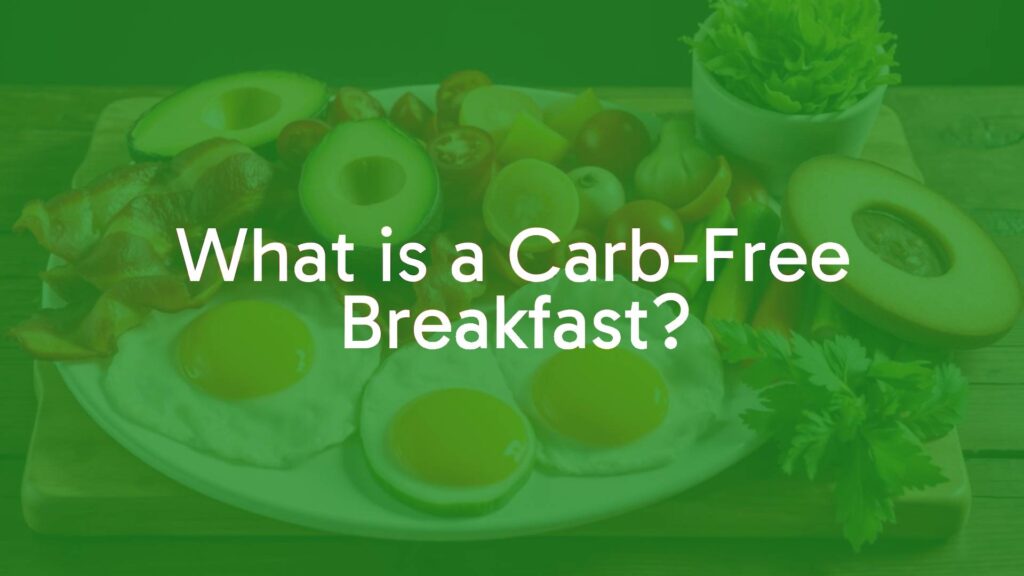
A carb-free breakfast is just what it sounds like: a morning meal that has little or no carbohydrates. Some people might think this means boring food, but carb-free breakfasts can be full of flavor, protein, and healthy fats. Skipping the usual high-carb items like cereal, bread, or pastries, these breakfasts use ingredients that help keep your blood sugar steady and your energy level stable, making a great start to your day.

What Is a Carb Free Breakfast?
Definition of Carb Free Breakfast
A carb-free breakfast means a meal that removes or almost removes carbohydrates. This means no grains, starchy veggies, and most fruits. Instead, it uses foods full of protein and healthy fats, like eggs, meats, some dairy, and low-carb vegetables. The point isn’t just to avoid carbs, but also to choose foods that keep you full and satisfied longer, provide steady energy, and help your metabolism work well.
People who follow plans like the keto diet or strict low-carb diets often rely on carb-free breakfasts. These meals help keep the body burning fat instead of carbs for energy. Even people not doing these diets can benefit: cutting out carbs at breakfast may help better control blood sugar and support overall health.
Difference Between Carb Free and Low Carb
There is a difference between “carb-free” and “low-carb.” A low-carb diet cuts down on carbs but doesn’t get rid of them completely. It might still include a little bit of whole grains, beans, or fruit, aiming for about 50 to 150 grams of carbs a day. The focus is to eat fewer sugars and more complex, fiber-filled foods.
Carb-free means eating as few carbs as possible, sometimes almost zero. This stricter approach is sometimes used in special diets like the early stage of keto or for some health reasons. Breakfast foods are picked to have almost no carbohydrates-mainly proteins and fats, with very little in the way of vegetables. The difference between the two is important if you need to control your diet closely, since how your body reacts can be very different with each option.
Benefits of a Carb Free Breakfast
Choosing a carb-free breakfast is more than just leaving one food group out-it can give you benefits that improve your day and can help your health in the long term. It can help manage your weight, keep your energy steady, and more.
Helps with Weight Control
One big advantage of a carb-free breakfast is support for weight control. Taking out things like sugary cereals and toast usually cuts calories. Foods high in protein and fat keep you feeling full longer because they digest slowly, stopping hunger and the urge to snack later. Using more protein and healthy fats instead of carbs can help your body use fat for fuel, making it easier to lose or keep off extra pounds.
Helps Control Blood Sugar
A lot of regular breakfasts with refined carbs (like white bread or sweet foods) can make your blood sugar go up and down all morning. This often leads to tiredness and cravings. Swapping in a carb-free breakfast with proteins and healthy fats steadies your blood sugar, which is especially helpful for people with insulin resistance or diabetes, or anyone trying to keep their energy even and avoid cravings.
Keeps You Full and Reduces Cravings
Protein and healthy fats do a great job of keeping you satisfied. If your breakfast has a lot of these, you’ll be less hungry and less likely to want snacks before lunch. The steady blood sugar helps stop strong cravings for sweets or more carb-heavy foods later, too. This can help you stay on track with healthy eating all day.
Gives Consistent Energy
Some worry that skipping carbs in the morning will leave them low on energy, but often the opposite happens. Once your body gets used to it, burning fat for fuel gives you more steady energy without the “highs and lows” you might get from eating high-carb foods. This can help you feel more awake and able to focus throughout the day.

Common Myths and Facts about Carb Free Breakfasts
Misunderstandings about carb-free breakfasts are common. Here are some clarifications.
Do You Need Carbs for Breakfast?
Many people think that you must have carbs first thing in the morning to get moving or to “fuel your brain,” but that’s not true. Carbs are only one energy source, and your body can also use protein and fat, especially after not eating overnight. Having a breakfast with mostly protein and fat can give you energy that lasts, without making you tired a few hours later. You can still get fiber and important nutrients from other foods you eat during the rest of the day.
Is It Safe to Eat No Carbs for Breakfast?
For most healthy adults, there is no problem with a carb-free breakfast. In fact, it can help with weight control, steady blood sugar, and working towards a ketogenic diet. Most carbs-free meals still end up with a tiny bit of carbs-from things like non-starchy veggies. But, if you aim for no carbs at all, you should check that you are getting nutrients from somewhere else. Very strict zero-carb diets can be hard to keep up and can cause vitamin and mineral shortages if you’re not careful. If you have health concerns, check with a doctor or dietitian first.
Best Foods for a Carb Free Breakfast
It’s easy to make filling and tasty carb-free breakfasts once you know what to use. The focus is on foods that give steady energy and help you stay full.
Egg-Based Dishes
Eggs are a favorite for carb-free breakfasts. You can make scrambled eggs with turkey sausage, omelets, frittatas, or bake eggs in muffin cups with veggies and meats. Eggs work well with a lot of different herbs and spices, so breakfast doesn’t have to be boring.
Meat, Poultry, and Fish
Lean meats-like bacon, sausage (without added sugar), ham, leftover chicken, or steak-are all good options. Smoked salmon, often served with cream cheese or avocado, is another good choice and is high in healthy fats. Chicken meatballs can be a different twist if you want a break from classic breakfast sausages.
Cheese, Yogurt, and Dairy
Dairy without sugar fits well, too. Full-fat cheeses, cottage cheese, and plain Greek yogurt (without added sugar) are all packed with protein and fat. Just avoid sweetened or flavored yogurts that contain hidden sugars. If you like, add a few berries or use a sugar alternative for sweetness.
Non-Starchy Vegetables
Vegetables like spinach, kale, peppers, mushrooms, onions, zucchini, and tomatoes can add taste, texture, and nutrition to your breakfast. Add them to eggs, throw them into a crustless quiche, or make a quick veggie side salad.
Nuts, Seeds, and Healthy Fats
Nuts and seeds (like almonds, walnuts, chia, flax, and hemp) are good for a boost of healthy fat, a bit of fiber, and protein. Add them to yogurt or just snack on them. Avocados fill you up and give you healthy fat. Use them with eggs or meats, or make guacamole. Fats for cooking, like olive oil, coconut oil, and butter, are staples in a carb-free kitchen.

Vegan and Vegetarian Carb Free Choices
You don’t have to eat animal products for a carb-free meal. Tofu scramble is a great egg substitute for vegans-just add your favorite non-starchy veggies and seasonings. Nutritional yeast gives a cheesy flavor. Vegetarians can do eggs and dairy, like Greek yogurt or cheese. For a change, try chia pudding made with unsweetened plant-based milk and top with nuts or seeds. Vegans can focus on low-carb vegetables, tofu, tempeh, and healthy oils.
Popular Carb Free Breakfast Recipes
Here are a few easy and tasty carb-free breakfast ideas that prove you don’t have to give up on taste:
Spinach and Feta Omelet
Whisk 2-3 eggs with cream, salt, and pepper. In a pan, cook a handful of spinach with a bit of butter or oil until it wilts. Add the eggs, and then sprinkle with crumbled feta cheese. Cook, fold, and serve for a breakfast rich in flavor and protein, with very few carbs.

Avocado Baked Eggs
Heat your oven to 400°F (205°C). Cut an avocado in half, remove the pit, and scoop out some flesh to make room for an egg. Crack one egg into each half. Season with salt and pepper. Bake for 15-20 minutes, until the white sets. Add toppings like bacon bits or chives for more flavor.
Crustless Broccoli Quiche
Heat the oven to 350°F (180°C). Whisk 6 eggs with a cup of milk or plant-based milk, salt, and pepper. Cook chopped broccoli and bacon in a pan. Spread the veggies and bacon in a greased dish, add some grated cheese, then pour in the eggs. Bake for 30-40 minutes. You can mix and match veggies and cheeses as you like.
Salmon and Cream Cheese Roll-Ups
Spread full-fat, plain cream cheese on slices of smoked salmon. Add herbs or pepper if you wish, then roll them up. These are quick to make and packed with healthy fats and protein.
Carb Free Breakfast Options for Special Diets
Eating carb-free can work with many special diets. Here are some ideas for different needs:
Keto-Friendly Carb Free Breakfasts
A keto diet already focuses on high-fat, moderate-protein, and very low-carb foods. All egg-based dishes, avocado baked eggs, and crustless quiches fit well. Try keto muffins made with almond or coconut flour if you want something sweet. Choose foods high in fat and moderate in protein to stay in ketosis and feel satisfied longer.
Paleo Carb Free Breakfast Options
The Paleo diet cuts out grains, beans, and most dairy, leaning on meats and non-starchy veggies. Eggs with ground turkey or beef with peppers and onions are a good fit. Breakfast salads and cauliflower-based dishes work well, too. Use coconut milk, nuts, or seeds for creamy textures instead of dairy.

Dairy-Free Carb Free Meals
If you need to avoid dairy, eggs made with olive oil, coconut oil, or dairy-free butter substitutes work well. Tofu scramble is a plant-based option. Bacon and sausage can also be dairy-free; just check the ingredient list. Avocados, nuts, nut butters, seeds, and oils are good for healthy fats.
Vegan Alternatives
It’s possible, though tougher, to go carb-free as a vegan. Tofu scramble with veggies works well. Cauliflower toast or bagels (made from riced cauliflower) can serve as a low-carb replacement for bread. Smoothies with green veggies, avocado, and unsweetened nut milk are good options, and a low-carb vegan protein powder can boost protein. Use nuts, seeds, and oils for fats. Note that some carbs may sneak in, but keeping it very low-carb is doable.
Tips for Preparing and Planning a Carb Free Breakfast
Making carb-free breakfasts part of your daily routine gets easier if you plan ahead:
Meal Prepping and Quick Ideas
Prepare some ingredients ahead of time so your mornings run smoothly. Boil eggs, cook a batch of bacon, or portion out chopped veggies early in the week. You can also make and store crustless quiches, egg muffins, or casseroles in the fridge or freezer to grab later. For very busy days, try combos like a handful of nuts with cheese or cottage cheese topped with avocado.

Portion Sizes and Nutritional Balance
Cutting carbs is not enough; your breakfast should also give you enough calories, protein, and healthy fats. Make sure you’re replacing the carbs you drop with protein and fat so you stay full and get important nutrients. Include a serving of protein (like 2-3 eggs, a meat serving, or Greek yogurt), healthy fats (from avocado, nuts, or olive oil), and some fiber-rich veggies for vitamins and minerals. Eat until you feel satisfied, not stuffed.
Common Mistakes to Avoid
Watch for hidden carbs in processed meats, sauces, and some dairy by reading labels. Don’t rely only on one food group (like eggs every day)-mix it up for a range of nutrients and flavors. Also, remember that eating a “carb-free” food doesn’t mean you can eat endless calories. Fats are healthy, but you still need to keep portions reasonable, especially if you’re trying to lose weight.
Sample Carb Free Breakfast Menu and Meal Plan
Here’s a sample one-week menu to help start your carb-free mornings. Feel free to adjust as needed:
One-Week Carb Free Breakfast Menu
| Day | Meal |
|---|---|
| Monday | Spinach and feta omelet with avocado slices |
| Tuesday | Scrambled eggs with turkey sausage |
| Wednesday | Cottage cheese with bacon and avocado |
| Thursday | Crustless broccoli quiche (reheated if made ahead) |
| Friday | Smoked salmon & cream cheese roll-ups with cucumber |
| Saturday | Baked avocado eggs (baked eggs in avocado halves) |
| Sunday | Vegan tofu scramble with sautéed veggies |
Mix and Match: Building Your Own Carb Free Plate
Mix different foods each day depending on what you like and have on hand. Here’s a simple way to build your plate:
- Protein: Eggs (any style), bacon, sausage, ham, smoked salmon, ground meat, tofu.
- Healthy fat: Avocado, cheese, nuts, seeds, butter, olive or coconut oil.
- Veggies: Spinach, kale, bell peppers, mushrooms, zucchini, tomatoes, broccoli, asparagus.
Start with protein, add some healthy fat, and fill in with non-starchy veggies. Try different herbs and spices (like cumin for a Mexican taste or basil for Italian flavor) to keep it interesting.
Frequently Asked Questions about Carb Free Breakfasts
What Can I Drink with a Carb Free Breakfast?
Water is always good. You can also drink unsweetened coffee or tea. If you want more taste, add slices of cucumber or lemon to your water. Black coffee or tea with a splash of plain cream or unsweetened nut milk won’t add carbs.
Is Coffee or Tea Carb Free?
Yes, plain black coffee and tea have almost no carbs. Just don’t add sugar, honey, or flavored creamers. If you want, use a small amount of heavy cream, unsweetened almond or coconut milk, or low-carb sweeteners.
Can You Eat Fruit on a Carb Free Breakfast?
Most fruits aren’t carb-free since they have natural sugar. If you’re strict about having no carbs, skip fruit at breakfast and stick with non-starchy vegetables. For those following a low-carb (but not carb-free) diet, a small portion of berries can sometimes fit in, but keep it small.
